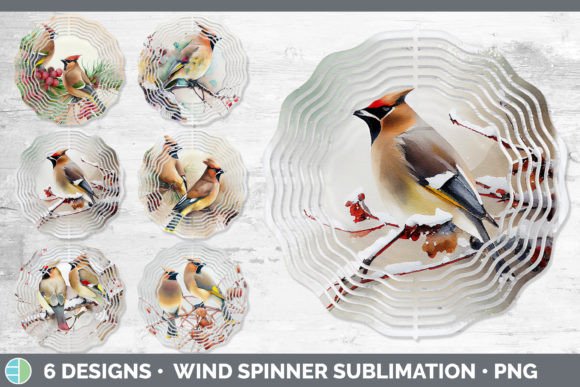
Christmas Cedar Waxwing Wind Spinner S: Festive Illustrations
As a brand designer who has spent years refining visual identities for local boutiques, artisanal food producers, and handmade goods sellers, I approach every new graphic design asset with a critical eye. It is not enough for an image to be pretty; it must serve a strategic purpose within a broader brand identity. Recently, I evaluated the Christmas Cedar Waxwing Wind Spinner S for a potential winter campaign, and my assessment focuses on how this specific piece of art can elevate real-world small business branding.
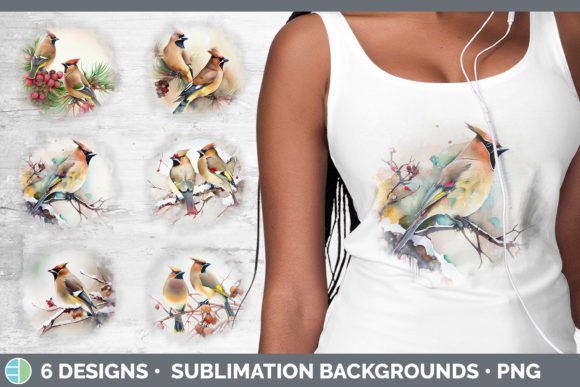
Upon first inspection, the Christmas Cedar Waxwing Wind Spinner S exudes a whimsical yet grounded charm. The illustration captures the delicate nature of the cedar waxwing bird, a creature often associated with winter resilience and community, set against a backdrop that suggests movement and seasonal joy. The mood created is undeniably festive, yet it avoids the cliché of overly commercialized holiday graphics. Instead, it feels organic, slightly rustic, and deeply inviting. For a local business looking to project warmth and authenticity during the holiday rush, this asset suggests a brand personality that is friendly, established, and attentive to detail.
Strategic Applications for Local Branding Projects
In the context of a real project, imagine we are developing packaging for a small-batch candle maker or a boutique bakery specializing in seasonal treats. The Christmas Cedar Waxwing Wind Spinner S shines brightest when used as a hero graphic on product labels. Its intricate details draw the eye, creating a focal point that stops a customer scrolling through social media or browsing a shelf. Because the design implies motion—the "wind spinner" aspect—it adds a dynamic energy to static packaging design, making the product feel alive and engaging.
Beyond the primary label, this illustration is versatile enough to anchor a variety of marketing collateral. It works exceptionally well on hang tags attached to handmade knitwear or ceramic mugs, providing a cohesive look that ties the physical product to the brand's story. For social media graphics, the asset can be overlaid on lifestyle photography to create instant seasonal relevance without overpowering the product itself. Whether used on thank-you cards included in shipping boxes or as a decorative element on price lists and menus, the design reinforces a sense of care and craftsmanship.
For handmade business owners, consistency is key to building trust. Using the Christmas Cedar Waxwing Wind Spinner S across different touchpoints—from website banners to printed flyers—creates a unified visual language. This repetition helps customers recognize the brand instantly, fostering a stronger emotional connection. When a customer sees the same high-quality bird illustration on your Instagram ad, your product box, and your receipt, it signals professional branding rather than a haphazard collection of images.
Enhancing Product Presentation and Shelf Appeal
The true value of a design asset lies in its ability to improve the perceived value of the product it adorns. The Christmas Cedar Waxwing Wind Spinner S contributes to better shelf appeal by introducing a layer of sophistication. In a crowded marketplace, products that utilize thoughtful, nature-inspired Illustrations often stand out against those using generic clipart. This specific design supports a clearer visual hierarchy; the bird acts as the primary visual anchor, allowing typography and legal information to sit comfortably around it without competing for attention.
Furthermore, this asset aids in storytelling. For a coffee shop launching a limited-edition winter blend, featuring this wind spinner on the bag tells a story of winter mornings and natural beauty. It transforms a simple commodity into an experience. This narrative depth improves customer trust, as it suggests the business owner cares about aesthetics and the overall unboxing experience. In commercial design, these subtle cues are often what differentiate a premium brand from a budget option.
Ideal Use Cases and Placement Strategies
To maximize the impact of the Christmas Cedar Waxwing Wind Spinner S, it should be deployed strategically. It is most effective when used as:
- Packaging Accents: Placed on the lid of a box or the neck of a bottle to add a surprise element upon opening.
- Hero Graphics: Centered on product labels where it can be appreciated in full detail.
- Seasonal Campaign Visuals: Used in email headers and social media posts to announce holiday collections.
- Boutique Visuals: Incorporated into window displays or in-store signage to create an immersive atmosphere.
- Product Mockups: Applied to digital mockups to visualize how the final printable design will look before committing to a large print run.
Cautions for Professional Implementation
While the Christmas Cedar Waxwing Wind Spinner S is a powerful tool, it requires careful handling to maintain professional branding standards. It may not be suitable for formal corporate branding where minimalism and strict geometry are required. Additionally, designers must be cautious when applying it to very small labels; the intricate details of the wind spinner and the bird's feathers could lose definition if scaled down too aggressively. It should also be avoided in ingredient-heavy layouts or areas dense with legal information, as the decorative nature of the art might clutter the space and reduce readability.
Caution is also advised for luxury minimalist brands that rely on vast negative space. If the decoration competes with important text or disrupts a clean, modern aesthetic, it can detract from the brand message. Always ensure there is sufficient contrast between the illustration and the background color to maintain visibility.
Practical Notes for Designers and Entrepreneurs
Before integrating the Christmas Cedar Waxwing Wind Spinner S into a client project or your own local business lineup, several practical steps are essential. First, test the asset on real product mockups to see how it interacts with your specific packaging materials. Check how the design performs in black and white, as some promotional materials may be printed in monochrome to save costs. Preview the image on small labels to ensure the lines remain crisp and do not blur.
Experiment with pairing the illustration with different typography styles. It often complements elegant serif fonts that match its classic feel, but it can also create an interesting contrast with modern sans serif or playful handwritten fonts. If the file format allows, inspect the SVG design or vector editability to ensure you can adjust colors to match your exact brand palette. If working with a PNG design, verify the transparency to ensure it blends seamlessly onto colored backgrounds.
Finally, and perhaps most importantly, confirm the commercial license terms. Ensure that the usage rights cover physical product sales, marketing visuals, and broad distribution if you plan to use this for a large-scale campaign. By treating this graphic design asset with the rigor it deserves, you can transform the Christmas Cedar Waxwing Wind Spinner S from a simple image into a cornerstone of a memorable and successful holiday brand identity.