Desert Christmas Card Design: A Stitcher's Review
As a designer who spends more time staring at stitch simulations than most people care to admit, I approach every new machine embroidery design with a mix of skepticism and curiosity. We have all seen those digital previews that look stunning on a screen but turn into a tangled mess of thread breaks and puckering once they hit the fabric. That is why I took a close look at the Desert Christmas Card Design before committing it to any client project or personal holiday gift. This isn't just about whether it looks cute; it is about whether it holds up under the needle and delivers value to the end user.
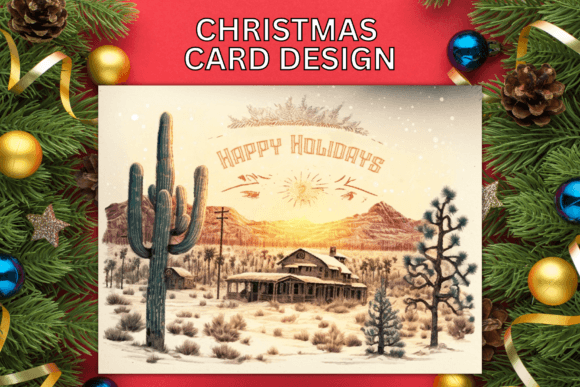
The first thing that strikes you about this piece is its unique mood. In a sea of traditional red-and-green winter wonderlands, this design offers a refreshing, warm alternative. It captures that specific "Southwest Holiday" aesthetic that has been gaining traction in boutique shops and among Etsy sellers looking for something different. The layout feels balanced, with a visual personality that suggests warmth, nostalgia, and a touch of whimsical desert charm. For those of us creating handmade products, having a design that stands out from the generic snowflake offerings is a massive advantage.
Real-World Application: The Tote Bag Test
To truly evaluate the Desert Christmas Card Design, I imagined a specific real-life scenario: preparing a custom order for a local coffee shop owner who wanted holiday merchandise that reflected her Arizona roots. She needed custom apparel and tote bags that felt authentic, not like mass-produced imports. This design fit the brief perfectly. When visualizing it on a natural canvas tote bag design, the illustrative style shines. The lines are clean enough to read clearly from a distance, which is crucial for retail items sitting on a shelf.
If I were stitching this onto a heavy-weight cotton tote, the stitch density appears manageable. It doesn't look so dense that it would create a cardboard-like stiffness, which is a common complaint with lower-quality digital embroidery files. The balance between open space and stitched areas suggests it would drape well. For a small shop product, this is vital. Customers want their bags to be usable, not just decorative. The design's structure implies it would also work beautifully as an embroidered patch, allowing the business to offer a removable accessory option alongside their sewn-on goods.
Fabric Compatibility and Technical Considerations
While the design excels on stable fabrics like canvas, denim, or twill, we need to talk about where you should proceed with caution. If you are planning to use this for sweatshirt embroidery on a fuzzy fleece, you must pay attention to the finer details. Intricate running stitch elements can sometimes get lost in high-pile fabrics. In this case, I would recommend using a water-soluble topper to ensure every line of the illustration pops against the texture. Without it, the desert motifs might sink into the nap of the fabric, losing the crispness that makes the design special.
Similarly, if you are attempting this on stretchy knits for baby embroidery projects, stabilization is non-negotiable. The Desert Christmas Card Design has a defined shape that could distort if the fabric shifts during stitching. Always hoop your stabilizer with the fabric, never float it, when working with jerseys or interlocks. For dark fabrics, you will need to carefully review the thread colors. The preview likely assumes a light background. If stitching on navy or black, you may need to manually adjust the underlay or add a backing layer to prevent the dark fabric from showing through the lighter thread tones, ensuring the finished product looks professional.
Curved Surfaces and Small Hoops
Another practical consideration is the hoop size. Before purchasing or downloading, confirm the dimensions of the embroidery file. If you intend to place this on a cap or a curved visor, ensure the design fits within a standard cap frame without requiring excessive resizing that compromises detail. Tiny corners and delicate points in the illustration could become blunt if scaled down too far. For holiday embroidery on items like kitchen towels or aprons, verify that the design orientation works for the available sewing field. A design meant for a horizontal card layout might need rotation to look right on a vertical apron bib.
Commercial Value and Brand Consistency
From a business perspective, the Desert Christmas Card Design offers strong potential for brand consistency. For creative entrepreneurs selling design assets or finished goods, uniqueness drives sales. This illustration category allows for a cohesive collection. Imagine pairing this design with matching wrapping paper or printable mockups for an online store. The visual appeal translates well into marketing materials. When a customer sees a high-quality stitch-out, it builds trust. They perceive the item as a premium personalized gift rather than a cheap novelty.
However, remember that commercial viability depends on licensing. Just because a design looks great does not mean it is free to sell. Always check the license terms associated with the file. Some creators allow unlimited sales of finished physical items but restrict the sale of the digital file itself. Others may have limits on the number of units you can produce. Clarifying this before you start a large run of commercial embroidery projects saves you from legal headaches down the road.
Final Verdict and Designer Notes
In my professional opinion, the Desert Christmas Card Design is a solid contender for the upcoming season, provided you respect the technical requirements of embroidery. It bridges the gap between artistic illustration and functional stitch work. To get the best results, I recommend the following workflow:
- Test on scrap fabric first: Never skip this step. Stitch the design on the exact material you plan to use for the final product to check for puckering or registration issues.
- Check thread contrast: Ensure your chosen thread palette provides enough separation between elements so the design doesn't look muddy.
- Review stitch types: Look for areas that might benefit from converting a fill to a satin stitch (or vice versa) depending on your machine's capabilities and the fabric texture.
- Inspect small details: Zoom in on the digital file to see if any tiny running stitches are too short to hold securely.
- Mockup in black and white: This helps you judge the value and contrast of the design independent of color choices.
Ultimately, this design serves as a versatile tool in your library. Whether you are making a one-off gift for a friend or stocking inventory for a craft fair, the Desert Christmas Card Design brings a distinct flavor to the table. It reminds us that holiday themes don't have to be limited to snowy landscapes. With the right preparation, proper stabilizer, and a keen eye for detail, this illustration can become a standout star in your embroidery project lineup, delighting customers who appreciate a touch of desert sun in their winter celebrations.