Reviewing Christmas Forest Clipart for Holiday Embroidery
As a designer who spends more time staring at stitch simulations than actual pine trees, I approach every new Christmas Forest Clipart set with a specific mindset: will this translate from a flat illustration into a tactile, durable finished product? When I first opened the files for this collection, my immediate reaction was one of cautious optimism. The mood is undeniably cozy, evoking that quiet, snow-dusted feeling of a winter walk. However, in the world of machine embroidery design, aesthetics are only half the battle. The real test lies in how these shapes hold up under the needle, especially when applied to the varied textures and stretches of real-world garments.
First Impressions: From Screen to Stitch Simulation
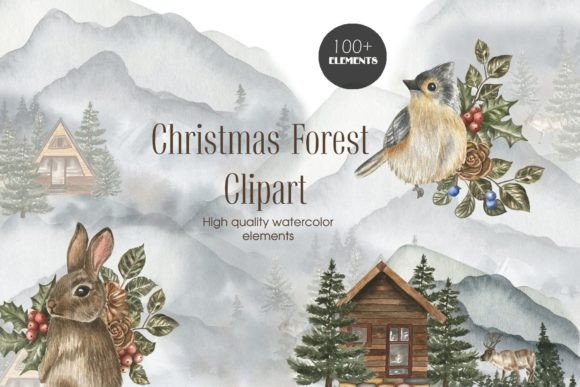
The visual personality of this Illustrations pack leans heavily into a whimsical, storybook style. The lines are clean, and the composition feels balanced, which is a promising start. For an Etsy seller or craft business owner, first impressions matter because they dictate whether a customer stops scrolling. The silhouette of the trees suggests a mix of satin stitch borders and potential fill stitch interiors. My initial concern with any forest-themed graphic is density. If the trees are too clustered, the fabric can become stiff, resembling a patch of cardboard rather than soft apparel. Fortunately, the spacing here looks intentional, allowing the background fabric to breathe. This is crucial for items like sweatshirt embroidery or baby embroidery, where comfort is non-negotiable.
Real-World Application: The Tote Bag Test Case
To truly evaluate the viability of Christmas Forest Clipart, I mentally ran through a recent client request: a custom holiday tote bag for a boutique coffee shop. The goal was to create a handmade product that felt premium but could withstand daily use. I envisioned placing the forest scene centrally on a heavy canvas tote. In this scenario, the design shines. The horizontal layout of the trees works perfectly for the wide surface area of a bag. Unlike vertical motifs that can get lost on curved sides, this forest spread creates a strong visual anchor.
However, the choice of thread colors becomes critical here. On a natural beige canvas, deep greens and cool blues would pop beautifully. But if I were to switch to a dark navy bag, I would need to ensure the design includes enough light-colored accents—perhaps snow details or star elements—to prevent the forest from disappearing into the background. This is where reviewing the digital embroidery file layers is essential. If the design relies solely on dark greens, it might lack the necessary contrast for dark fabrics, requiring manual editing to add a running stitch outline or a lighter underlay.
Navigating Fabric Challenges and Hoop Limitations
Not every project is as forgiving as a sturdy tote bag. Let's consider custom apparel, specifically a stretchy cotton blend t-shirt or a textured knit sweater. This is where you must exercise caution with Christmas Forest Clipart. Detailed corners and tiny tree tips can be problematic on stretchy fabrics if the stitch density is too high. Without a high-quality cut-away stabilizer, the design could pucker over time, distorting the forest line into a wavy mess. For holiday embroidery on caps, the curved surface adds another layer of complexity. A wide forest scene might not fit well within a standard cap hoop size without losing detail on the edges. In such cases, isolating a single tree or a small cluster from the clipart set might be a smarter move than attempting the full panorama.
Furthermore, if you are planning to create an embroidered patch, pay close attention to the smallest details. Tiny branches or intricate root systems that look crisp on a screen can turn into a tangled bird's nest of thread if they are below the machine's resolution capability. Always run a test stitch-out on scrap fabric that matches your final material. This simple step saves hours of frustration and protects your reputation for quality.
Commercial Viability and Brand Consistency
For small shop product lines, consistency is key. Using Christmas Forest Clipart across a range of items—from aprons to pillow covers—can create a cohesive holiday collection. The design's neutral yet festive theme makes it versatile enough for various branding needs. It doesn't scream "cheap souvenir"; instead, it offers a subtle, artisanal touch that increases perceived value. When customers see a well-executed forest motif on a kitchen towel or a nursery decor item, it signals professionalism. It tells them that thought went into the selection of the design assets.
That said, before listing these as commercial embroidery products, you must verify the licensing terms. Just because a file is labeled as clipart does not automatically grant rights for unlimited resale of physical goods. Check if the license allows for use in printable mockup previews for your online store and whether there are restrictions on the number of physical units you can sell. Protecting your craft business legally is just as important as the artistic execution.
Practical Notes for the Serious Embroiderer
If you decide to integrate Christmas Forest Clipart into your workflow, keep these practical tips in mind to ensure the best results:
- Test on Scrap First: Never skip the test run. Use the exact fabric and stabilizer combination you plan to use for the final item.
- Check Contrast: View the design in black and white to ensure the shapes remain distinct without relying on color alone.
- Review Density: Look for areas where stitches might overlap excessively, which can cause thread breaks or fabric stiffness.
- Confirm Hoop Size: Ensure the full width of the forest fits comfortably in your hoop with room for framing.
- Inspect Small Details: Zoom in on the tiniest branches to see if they are viable for your machine's minimum stitch length.
- Light vs. Dark: Prepare alternate color palettes for light and dark fabric backgrounds to maintain visibility.
- Stabilizer Choice: Match your stabilizer to the fabric weight; heavier knits often need cut-away support for lasting durability.
In conclusion, Christmas Forest Clipart holds significant potential for creating charming, marketable holiday items. Its strength lies in its adaptable layout and evocative mood. However, its success depends entirely on the executor's understanding of materials and machine limitations. Whether you are stitching a personalized gift for a neighbor or producing inventory for a busy December season, treating these digital files with a critical, experienced eye will ensure your finished product stands out for all the right reasons.